Mastering Ledger: A Complete Beginner’s Guide
Managing cryptocurrency securely is one of the most important aspects of being a crypto investor. While online wallets and exchanges are convenient, they expose your funds to hacking, phishing, and malware attacks. A Ledger hardware wallet provides a secure, offline solution that keeps your private keys safe while giving you full control over your digital assets. This guide will walk you through every step of setting up and using a Ledger device safely.
1. Understanding Ledger Hardware Wallets
Ledger hardware wallets are physical devices that store your private keys offline. Private keys are critical because they allow you to access and control your cryptocurrency. Unlike software wallets that exist on your phone or computer, hardware wallets reduce the risk of hacks because your keys never leave the device. Ledger devices are also compatible with a wide range of cryptocurrencies, making them versatile for investors who manage multiple assets.
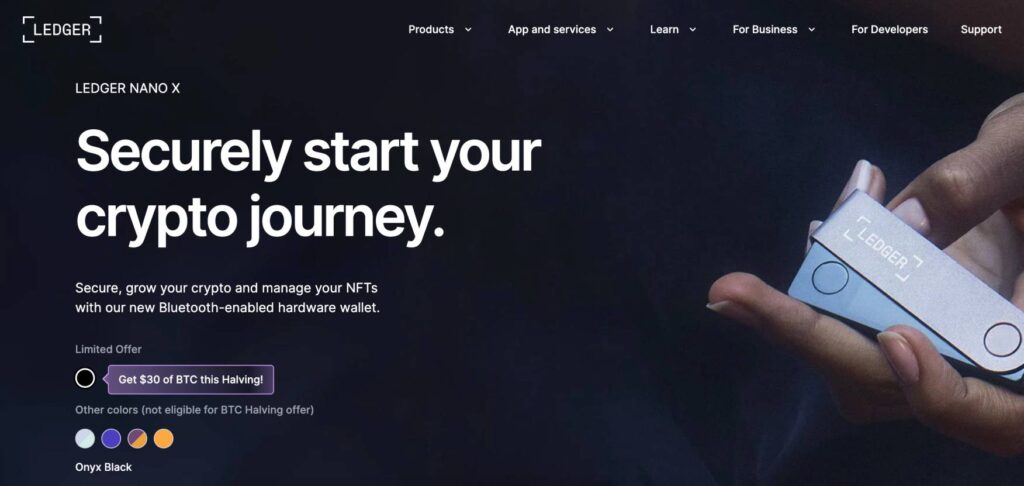
The two most common Ledger models are Ledger Nano S and Ledger Nano X. The Nano X has Bluetooth connectivity and a larger battery, whereas the Nano S is simpler and USB-only. Both offer strong security and allow you to install apps for different coins.
2. Unboxing and Inspection
When your Ledger device arrives, carefully check the packaging. The box should be sealed and include the following:
The Ledger device itself
A USB cable
A recovery sheet for your seed phrase
Instructions for initial setup
Never use a device if the packaging is damaged or appears tampered with. Ledger emphasizes that all setup should be done using the official hardware and software to ensure your funds remain secure.
3. Powering On and Initial Setup
Connect your Ledger device to a trusted computer or smartphone using the USB cable or Bluetooth (for Nano X). Power on the device and follow the on-screen instructions to begin setup. The device will ask whether you want to:
Initialize as a new device
Restore from an existing recovery phrase
If this is your first Ledger, select “Set up as new device.” The device will then prompt you to create a secure PIN code.
4. Creating a PIN Code
The PIN code is your first layer of defense. Choose a combination that is hard to guess but memorable to you. Avoid simple patterns like “1234” or “0000.” You will need to enter this PIN whenever you access your device. Make sure to confirm it during setup.
5. Generating and Securing the Recovery Phrase
The recovery phrase is a 24-word master key for your wallet. It allows you to restore your funds if the device is lost, stolen, or damaged. During setup, Ledger will display each word on the device screen. Write each word in order on the recovery sheet provided. Never take a photo or store it digitally, as this exposes your funds to theft. Store your recovery sheet in a secure location, ideally fireproof and waterproof, and consider keeping a backup in a separate safe location.
6. Confirming the Recovery Phrase
After writing your recovery phrase, the Ledger device will prompt you to confirm it by selecting the words in the correct order. This ensures that you have recorded it correctly. It is important to understand that anyone who gains access to your recovery phrase can access your cryptocurrency. Ledger support will never ask for your recovery phrase, so treat it as highly confidential.
7. Installing Ledger Live
Ledger Live is the companion application for managing your device. It allows you to:
Install cryptocurrency apps
Create accounts for different coins
Check balances and transaction history
Send and receive funds
Update device firmware
Download Ledger Live only from the official Ledger website. Install it on a trusted device, and avoid third-party versions, which could compromise security.
8. Installing Cryptocurrency Apps and Accounts
Each cryptocurrency requires its dedicated app on your Ledger device. Ledger Live provides a simple interface for installing apps. Once installed, you can create accounts for each cryptocurrency you hold. Accounts allow you to generate receiving addresses, check balances, and monitor transactions safely.
9. Sending and Receiving Cryptocurrency
To receive cryptocurrency:
Open the relevant account in Ledger Live.
Generate a receiving address on your device.
Verify the address on the Ledger screen itself to ensure it has not been altered by malware.
Share this address with the sender.
To send cryptocurrency:
Initiate a transaction in Ledger Live.
Confirm all details on the Ledger device screen.
Approve the transaction on the device.
By verifying transactions directly on the device, you ensure that your private keys never leave the hardware wallet.
10. Firmware Updates
Ledger periodically releases firmware updates to improve security or functionality. Before updating:
Backup your recovery phrase.
Make sure your computer is secure and free from malware.
Use Ledger Live to perform updates. The process is straightforward, and your cryptocurrencies remain safe as long as your recovery phrase is secure.
11. Security Best Practices
Never share your PIN or recovery phrase.
Beware of phishing attempts. Always verify URLs and download Ledger Live from the official website.
Store recovery phrases physically. Avoid digital backups or cloud storage.
Keep your device physically secure. Consider a safe or locked drawer.
Check for firmware and software updates regularly.
Following these practices reduces the risk of theft or loss of funds.
12. Troubleshooting Common Issues
If you encounter issues such as unresponsive devices, failed transactions, or connectivity problems:
Restart the device and reconnect to Ledger Live.
Ensure Ledger Live is up to date.
Use the recovery phrase to restore the wallet on a new Ledger device if needed.
Never share your recovery phrase with anyone claiming to provide technical support.
13. Advanced Tips for Security-Conscious Users
For those managing large cryptocurrency holdings:
Use multiple Ledger devices for redundancy.
Split recovery phrases across secure locations to prevent loss.
Regularly review transactions to spot unauthorized activity.
Understand coin-specific requirements, as some cryptocurrencies have unique security features.
These steps provide an additional layer of protection for high-value wallets.
14. Benefits of Using Ledger
Ledger hardware wallets provide several advantages:
Offline security: Private keys never leave the device.
Compatibility: Supports hundreds of cryptocurrencies.
Control: You retain full ownership of your assets.
Ease of use: Ledger Live simplifies management.
These benefits make Ledger devices a preferred choice for both beginners and experienced crypto users.
15. Conclusion
A Ledger hardware wallet is one of the most secure ways to manage cryptocurrency. Proper setup, secure storage of your recovery phrase, and careful use of Ledger Live are essential to safeguarding your digital assets. By following this guide, you can confidently protect your cryptocurrency from online threats while maintaining full control over your funds. Whether you are new to crypto or managing a diverse portfolio, Ledger offers the right balance of security, convenience, and flexibility.