Ledger Hardware Wallet: A Complete Setup and Security Guide
Cryptocurrency ownership comes with the critical responsibility of safeguarding your funds. While digital wallets on computers and phones are convenient, they are vulnerable to hacking, malware, and phishing attacks. Ledger hardware wallets offer a highly secure way to store cryptocurrencies offline while giving you full control over your private keys. This guide will walk you through the setup process, security practices, and tips for effectively managing your Ledger device.
1. What is a Ledger Hardware Wallet?
A Ledger hardware wallet is a physical device designed to securely store cryptocurrency private keys offline. Unlike software wallets that exist on devices connected to the internet, a Ledger wallet keeps keys isolated from online threats. This makes it extremely difficult for hackers to access your funds. Ledger devices support hundreds of cryptocurrencies, from Bitcoin and Ethereum to smaller altcoins, providing a versatile tool for any investor.
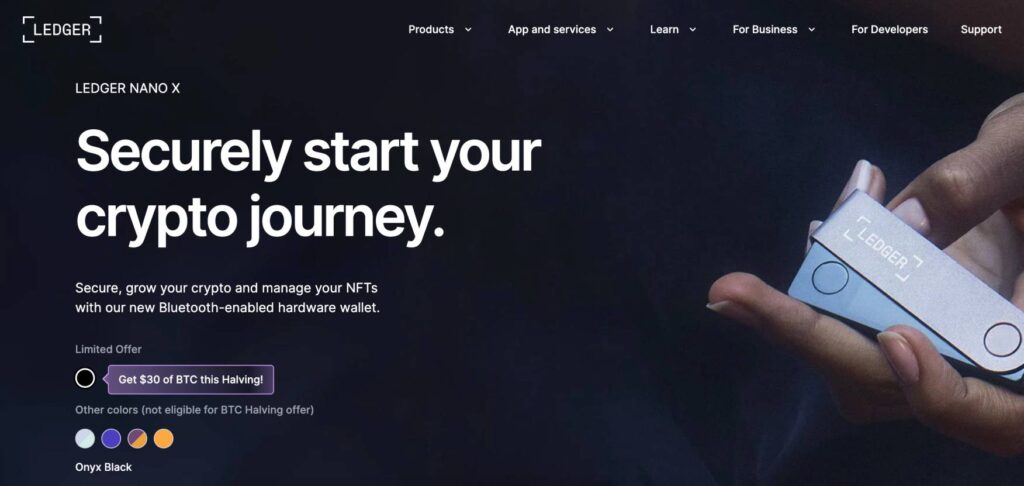
Ledger offers several models, including the Nano S and Nano X. The Nano S is compact and USB-based, while the Nano X features Bluetooth connectivity and a rechargeable battery, allowing more flexibility with mobile devices. Both models prioritize security while offering slightly different usability options.
2. Preparing for Setup
Before setting up your Ledger device, prepare a clean and secure environment. Use a trusted computer or smartphone and avoid public Wi-Fi networks. Ensure your device comes in a sealed package, containing:
The Ledger hardware wallet
USB cable for connection
Recovery sheet for the backup phrase
Quick start guide
Inspect the package for any signs of tampering. Using a compromised device can put your cryptocurrency at risk, so always start with a brand-new, unopened Ledger.
3. Initial Device Setup
Once you connect your Ledger device to your computer or smartphone, turn it on. The device will display a welcome message and guide you through the setup process. You will be asked whether you want to:
Set up as a new device
Restore an existing wallet using a recovery phrase
If you are a first-time user, select “Set up as a new device.” Next, you will be prompted to create a secure PIN code.
4. Creating a PIN Code
The PIN code acts as the first layer of security for your Ledger. Choose a combination that is unique and not easily guessable, such as avoiding repeated numbers or simple sequences. You will need to confirm your PIN during setup. Keep in mind that entering the PIN incorrectly three times will lock the device temporarily, adding another layer of protection against unauthorized access.
5. Recovery Phrase Generation
The recovery phrase is the most critical element of securing your Ledger wallet. During setup, the device generates a 24-word recovery phrase, sometimes called a seed phrase. This phrase is the master key to your wallet and allows you to restore your funds if the device is lost, stolen, or damaged.
Write down the words in the exact order provided on the recovery sheet. Avoid digital storage options such as screenshots, cloud storage, or emails. Physical security is essential; store the sheet in a safe, fireproof, and waterproof location.
6. Confirming the Recovery Phrase
After writing down the recovery phrase, the device will ask you to confirm it by selecting the words in the correct order. This step ensures you have accurately recorded the phrase. Never share your recovery phrase with anyone, even if they claim to be Ledger support. Ledger employees will never request your recovery phrase under any circumstances.
7. Installing Ledger Live
Ledger Live is the companion application for managing your wallet and transactions. You can install it on a trusted computer or smartphone. Ledger Live enables you to:
Install cryptocurrency apps on your device
Add accounts for multiple cryptocurrencies
Monitor balances and transaction history
Send and receive funds
Perform firmware updates
Always download Ledger Live from the official website. Third-party sources may distribute malware that can compromise your wallet.
8. Adding Cryptocurrency Accounts
After installing Ledger Live, you can add accounts for the cryptocurrencies you intend to manage. Each currency requires its dedicated app, which can be installed through Ledger Live. Once installed, you can generate receiving addresses, view balances, and track transactions safely. Ledger Live provides an intuitive interface that makes managing multiple accounts simple and secure.
9. Sending and Receiving Cryptocurrencies
Receiving cryptocurrency is straightforward: generate a receiving address from Ledger Live and verify it on the device screen to ensure it has not been altered by malware. Share this address with the sender to receive funds.
Sending cryptocurrency requires initiating a transaction in Ledger Live, verifying the transaction details on your Ledger device screen, and approving it. By confirming transactions on the hardware wallet itself, your private keys remain secure and offline, eliminating the risk of exposure.
10. Updating Firmware
Ledger periodically releases firmware updates to enhance security and add new features. Before updating:
Ensure your recovery phrase is securely backed up
Use a trusted computer and avoid unsecured networks
Firmware updates are done via Ledger Live and are essential to maintaining optimal security. Following these procedures ensures your funds remain protected.
11. Best Security Practices
To maximize security:
Never share your PIN or recovery phrase
Avoid storing your recovery phrase digitally
Beware of phishing attacks; always use official Ledger resources
Keep your device physically secure, such as in a safe or locked drawer
Regularly check for software and firmware updates
Adhering to these practices significantly reduces the risk of theft or loss.
12. Troubleshooting Common Issues
Occasionally, users may experience issues such as:
Device not recognized by the computer
Transaction failures
Connection issues with Ledger Live
Restart the device and reconnect it. Ensure Ledger Live is updated. If needed, restore the wallet using your 24-word recovery phrase on a new Ledger device. Remember: never share your recovery phrase with anyone during troubleshooting.
13. Tips for Advanced Users
For those holding substantial cryptocurrency balances or multiple coins:
Consider using multiple Ledger devices for redundancy
Store recovery phrases in separate secure locations
Regularly review all transactions to detect suspicious activity
Understand the security requirements for specific cryptocurrencies, as some may have unique protocols
Implementing these measures can enhance security for high-value wallets.
14. Benefits of Ledger Hardware Wallets
Ledger wallets provide several advantages:
Offline security: Private keys never leave the device
Multi-coin support: Manage hundreds of cryptocurrencies
Full ownership: You retain complete control over your funds
User-friendly interface: Ledger Live simplifies management
This combination of security and usability makes Ledger devices a preferred choice for both beginners and experienced investors.
15. Conclusion
A Ledger hardware wallet offers one of the safest ways to store cryptocurrency. By following proper setup procedures, securely storing your recovery phrase, and using Ledger Live responsibly, you can protect your digital assets from cyber threats while retaining full control. Ledger devices provide peace of mind, ensuring that your cryptocurrencies remain safe even in an increasingly digital world.
Whether you are new to cryptocurrency or managing a diverse portfolio, a Ledger wallet offers the perfect balance of security, versatility, and ease of use.