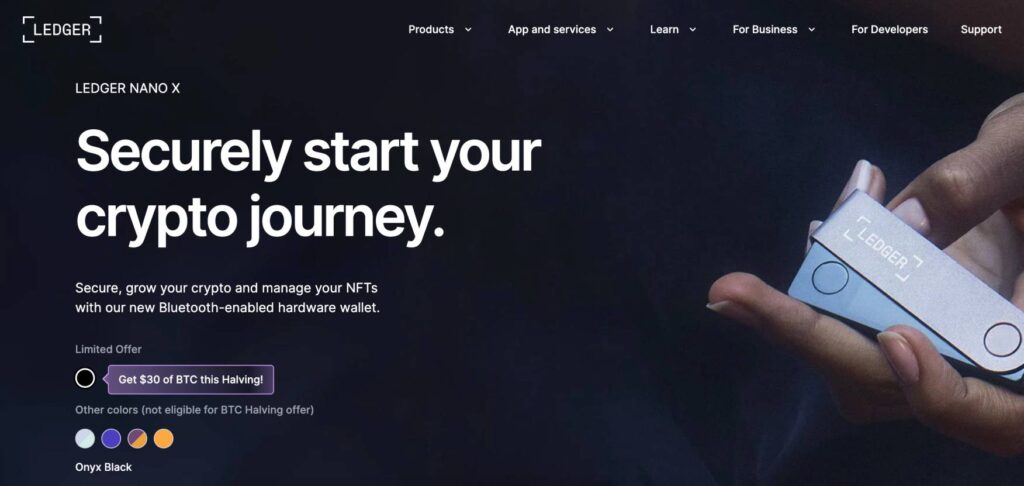
Ledger Hardware Wallet: Ultimate Guide for Secure Cryptocurrency Management
With the rapid growth of cryptocurrencies, securing your digital assets has become a top priority. While exchanges and software wallets offer convenience, they are vulnerable to hacks, phishing, and malware attacks. A Ledger hardware wallet provides an offline, highly secure method to store and manage cryptocurrencies, giving you full control over your funds. This guide walks you through the setup, best practices, and advanced tips for using your Ledger device safely.
1. Why Use a Hardware Wallet?
A hardware wallet is a physical device that stores cryptocurrency private keys offline. Private keys are essential because they grant access to your crypto holdings. Unlike digital wallets on computers or phones, hardware wallets reduce exposure to online attacks. Ledger wallets are designed to support multiple cryptocurrencies, including Bitcoin, Ethereum, and many altcoins, making them suitable for diverse portfolios.
Benefits of using a Ledger wallet:
Offline security: Keys never leave the device
Protection against malware and phishing
Multi-currency support
Long-term reliability and durability
2. Choosing the Right Ledger Device
Ledger currently offers two main models:
Ledger Nano S: Compact, USB-based, cost-effective, supports core features
Ledger Nano X: Bluetooth-enabled, larger battery, supports more apps simultaneously
Your choice depends on your usage preferences. If you plan to manage many different coins or use mobile devices often, Nano X is ideal. For simpler setups or occasional use, Nano S is sufficient.
3. Preparing for Device Setup
Before setting up, ensure your environment is secure:
Use a trusted computer or smartphone
Avoid public Wi-Fi networks
Inspect the packaging to ensure it is sealed and untampered
Each Ledger box typically includes:
The Ledger hardware device
USB cable
Recovery sheet for the backup phrase
Quick setup instructions
Never use a device if the packaging shows signs of tampering or damage.
4. Initial Device Activation
Connect the Ledger device to your computer or smartphone and power it on. You will see options to either:
Set up as a new device
Restore from an existing recovery phrase
If this is your first Ledger wallet, select “Set up as a new device.” The device will then prompt you to create a personal PIN code.
5. Creating a Secure PIN
The PIN code is the first layer of security. Choose a unique combination that is not easy to guess. Avoid sequences like “1234” or repeating numbers. The PIN will be required whenever the device is accessed, and entering it incorrectly multiple times will temporarily lock the device, adding another layer of protection.
6. Generating Your Recovery Phrase
During setup, the Ledger device generates a 24-word recovery phrase, sometimes called a seed phrase. This phrase is critical—it is the master key to your wallet. If your device is lost, stolen, or damaged, the recovery phrase allows you to restore access to your funds on a new Ledger device.
Best practices for recovery phrases:
Write the words down in order on the provided recovery sheet
Store the sheet in a secure, fireproof, and waterproof location
Never store it digitally or share it with anyone
7. Confirming the Recovery Phrase
After recording the recovery phrase, the device will prompt you to confirm it by selecting the words in the correct order. This ensures you have accurately captured the phrase. Ledger employees or any support personnel will never ask for your recovery phrase. Keep it confidential at all times.
8. Installing Ledger Live
Ledger Live is the official app for managing your device and funds. Features include:
Installing apps for different cryptocurrencies
Adding multiple accounts
Sending and receiving funds
Checking balances and transaction history
Performing firmware updates
Always download Ledger Live from the official Ledger website and install it on a secure device. Third-party apps may contain malware designed to steal private keys.
9. Adding Accounts and Installing Apps
Each cryptocurrency requires its dedicated app on your Ledger device. Ledger Live allows you to install these apps and create accounts for each currency. Once accounts are set up, you can:
Generate receiving addresses
Check balances
Monitor transaction history
Ledger Live ensures that your private keys never leave the device, keeping your crypto secure.
10. Sending and Receiving Cryptocurrency
Receiving cryptocurrency:
Open the account in Ledger Live
Generate a receiving address on the device
Verify the address on the Ledger screen
Share the verified address with the sender
Sending cryptocurrency:
Initiate the transaction in Ledger Live
Confirm all details on the device screen
Approve the transaction
Verifying transactions on the device ensures your private keys remain secure and offline.
11. Updating Firmware
Ledger periodically releases firmware updates to enhance security and functionality. Before updating:
Ensure your recovery phrase is safely backed up
Use a secure computer to perform the update
Ledger Live will guide you through the update process. Following these steps ensures your device remains protected against emerging threats.
12. Essential Security Practices
To keep your crypto safe:
Never share your PIN or recovery phrase
Avoid digital backups of the recovery phrase
Be cautious of phishing emails and fake websites
Keep the device physically secure
Update Ledger Live and firmware regularly
Following these practices significantly reduces the risk of theft or loss.
13. Troubleshooting Common Issues
Common issues include:
Device not recognized by Ledger Live
Failed transactions
Connectivity problems
Solutions:
Reconnect the device and restart Ledger Live
Ensure the software is up to date
Use the recovery phrase to restore the wallet on a new device if necessary
Remember: never share your recovery phrase during troubleshooting.
14. Tips for Advanced Users
For users managing multiple coins or high-value wallets:
Use multiple Ledger devices for redundancy
Store recovery phrases in separate secure locations
Regularly review all transactions to detect unusual activity
Learn the security requirements for each cryptocurrency you hold
Implementing these steps provides additional protection for your assets.
15. Advantages of Ledger Hardware Wallets
Ledger wallets combine security, convenience, and versatility:
Offline protection: Private keys never leave the device
Supports multiple cryptocurrencies
Full ownership of assets
User-friendly interface through Ledger Live
This combination makes Ledger devices ideal for beginners and experienced cryptocurrency holders alike.
16. Conclusion
A Ledger hardware wallet is one of the safest ways to store cryptocurrency. By carefully setting up the device, securely storing your recovery phrase, and following best security practices, you can manage your digital assets with confidence. Ledger wallets offer peace of mind, protecting your investments from cyber threats while giving you full control over your funds.
Whether you are a newcomer or a seasoned crypto investor, using a Ledger device ensures your cryptocurrencies remain secure and accessible when you need them.